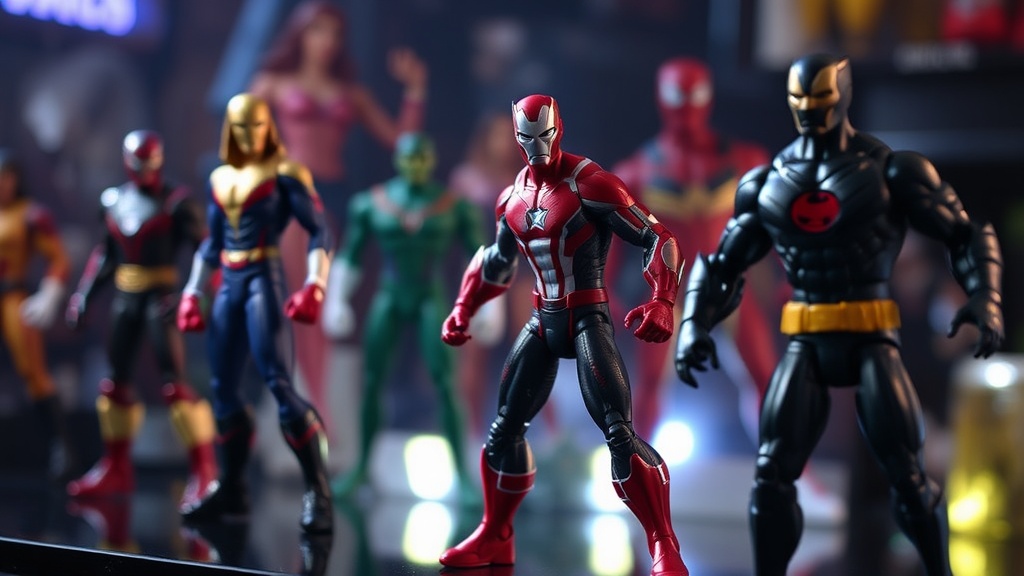
Vigilance in Collecting: Discerning Genuine Marvel Legends Figures

The Price of Authenticity: Navigating the World of Marvel Legends Fakes
Imagine finding that elusive Marvel Legends figure you’ve been hunting for years, listed at an unbelievably good price on an online marketplace. Your heart races; it feels like hitting the jackpot. You click 'buy now' without a second thought. A few weeks later, a package arrives. The box looks a little off—the colors aren't quite right, and is that a typo on the back? Once opened, the figure itself feels lighter, the paint application is messy, and its joints are either too loose or too stiff. You’ve just encountered a counterfeit, and it's a gut-wrenching experience for any collector. This guide will walk you through the tell-tale signs of non-authentic Marvel Legends figures, helping you protect your collection and your wallet from these unwelcome intruders.
Distinguishing genuine figures from convincing fakes isn’t just about avoiding financial loss; it’s about preserving the integrity of your collection and supporting the creators who bring these characters to life. The market for counterfeit action figures is unfortunately robust, constantly evolving, and can catch even seasoned collectors off guard. Knowing what to look for, both in packaging and in the figure itself, arms you with the knowledge to make informed purchases and ensure every hero (or villain) you add to your display is the real deal.
What packaging clues expose a non-authentic Marvel Legends figure?
Before you even lay eyes on the figure, the packaging can offer a wealth of information about its authenticity. Counterfeiters often cut corners here, as replicating intricate design and print quality is costly. Start by scrutinizing the box art itself. Authentic Marvel Legends packaging features crisp graphics, vibrant colors, and sharp text. Fakes, on the other hand, frequently display pixelated images, faded or off-color printing, and blurry text. Look closely at the character's face on the box—if it looks stretched, distorted, or simply 'off,' that's a major red flag.
Next, examine all logos and legal text. Hasbro's logo, the Marvel logo, and any character-specific branding should be perfectly rendered. Counterfeits might have slightly altered logos, misspellings, or incorrect legal disclaimers. Pay special attention to translations and multilingual text; poorly translated sentences or grammatical errors are dead giveaways. For figures sold in countries with strict import laws, authentic packaging will often include compliance stickers or specific regional warnings. Fakes usually omit these, or apply cheap, poorly printed versions.
The plastic window that displays the figure is another area to check. Genuine packaging uses clear, sturdy plastic, securely affixed. Fakes might feature cloudy, flimsy plastic that's loosely glued or even slightly warped. Sometimes, the internal plastic tray holding the figure and accessories can be poorly molded or use a different type of plastic entirely. Finally, inspect the barcode and any product information stickers. While not foolproof—counterfeiters can copy these—any inconsistencies, like a sticker covering original print or a barcode that doesn't scan correctly, warrant further investigation. A genuine product's barcode should align with its specific release. You can often cross-reference this information with official product databases or trusted collector sites. For a deeper dive into official product releases,