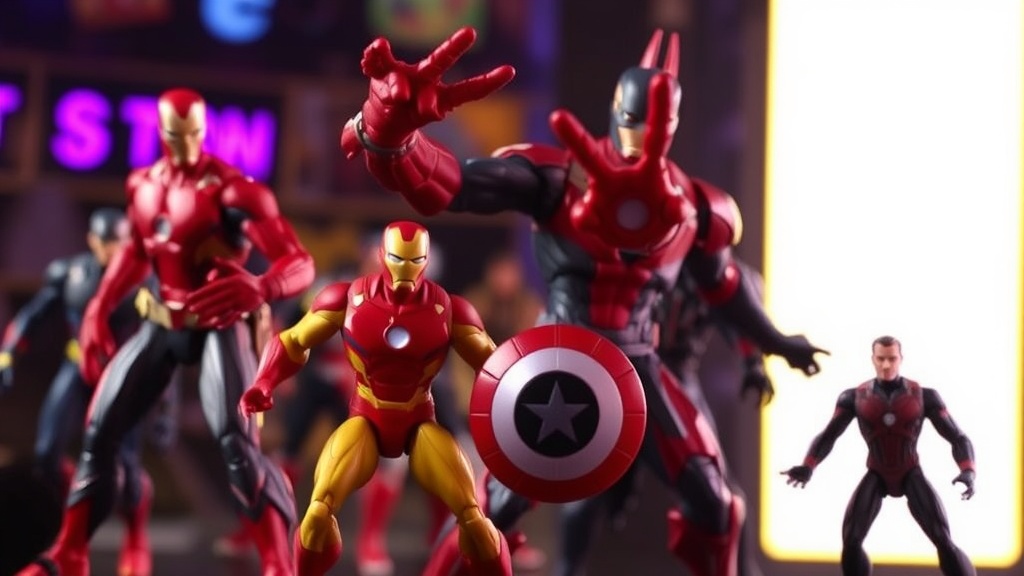
The Ultimate Guide to Buying Marvel Action Figures That Actually Hold Value

Most collectors learn this the hard way: not every Marvel figure ages well. Some spike in value, others gather dust. If you're spending real money on figures, you need a strategy—not just hype.
This guide breaks down what actually matters when buying Marvel action figures, whether you're chasing nostalgia, display quality, or long-term value.
1. Know the Lines That Consistently Deliver
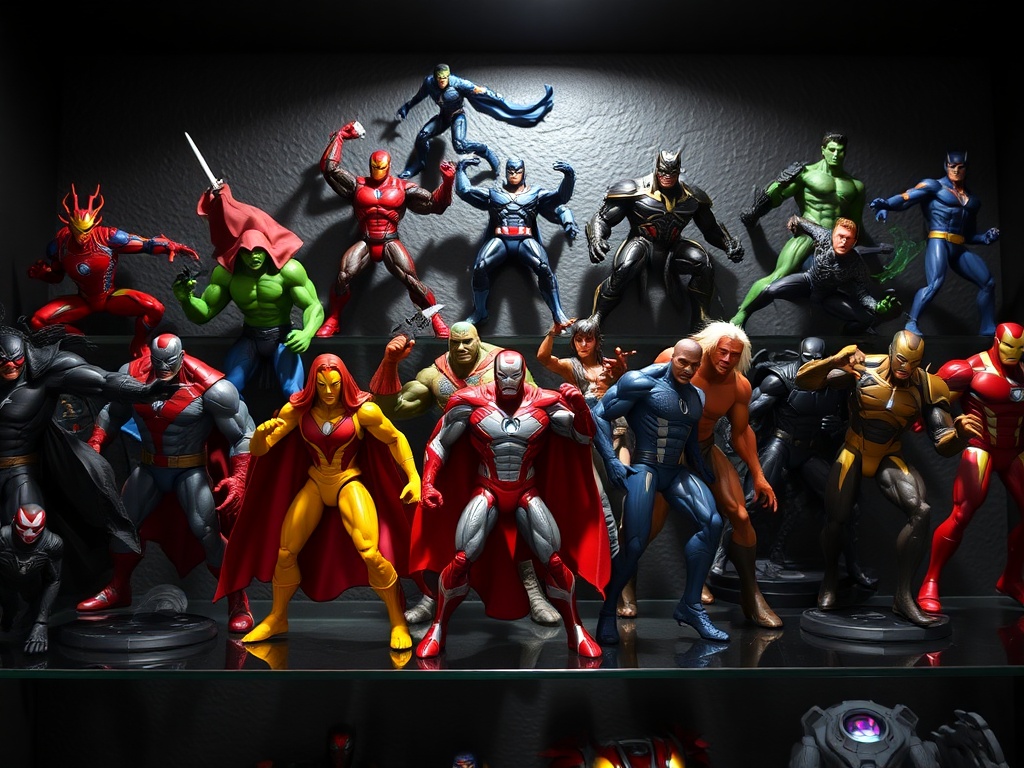
Not all figure lines are created equal. Some are built for durability and play, others for collectors.
Marvel Legends remains the backbone of most collections. It hits a sweet spot: affordability, articulation, and a deep roster of characters. Meanwhile, premium lines like Hot Toys or S.H. Figuarts target display collectors willing to pay more for realism.
As a rule: stick to proven lines unless you're experimenting. Random off-brand or short-lived lines rarely hold value.
2. Character Popularity Still Drives Everything
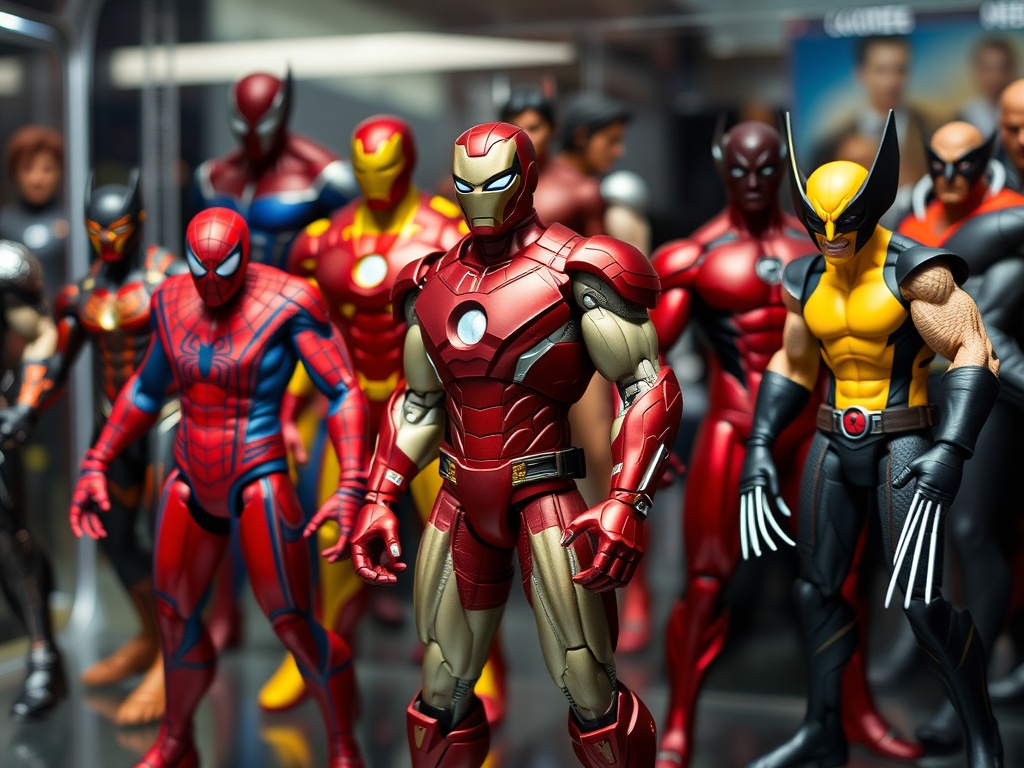
You can overthink this, but the market rarely does. Core characters outperform niche picks.
Spider-Man variants, Iron Man armors, and Wolverine figures consistently resell well. Why? Constant media exposure keeps demand alive.
Deep cuts can become valuable—but it's unpredictable. If you're buying with value in mind, anchor your collection with proven characters.
3. Packaging Condition Matters More Than You Think
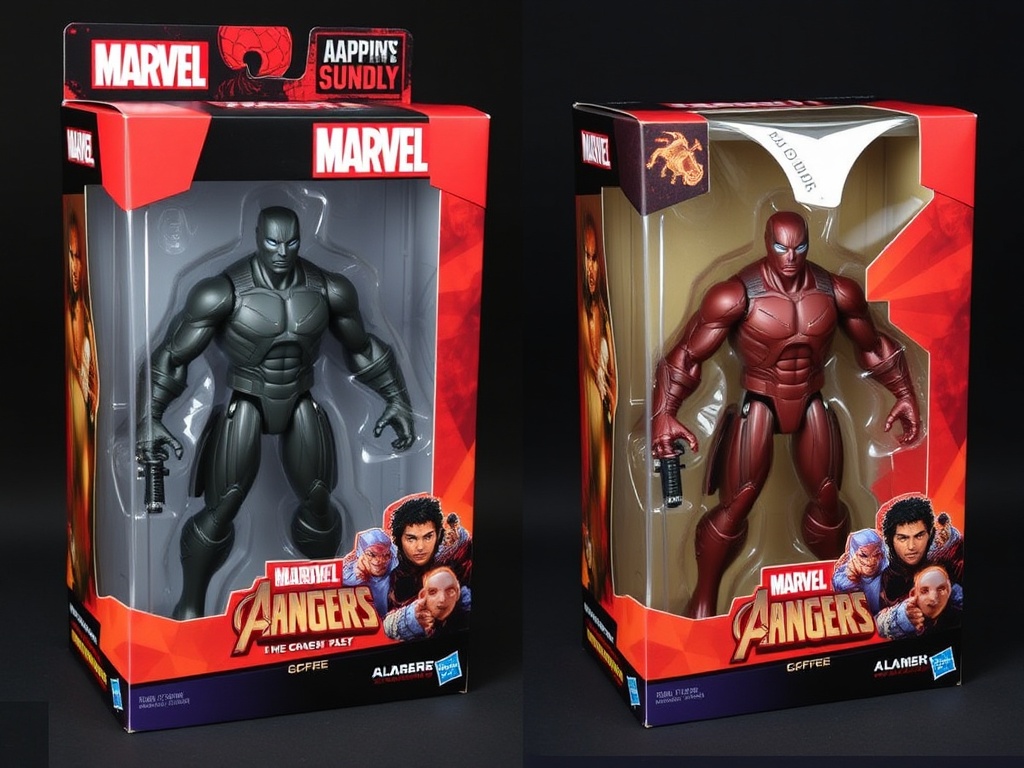
Collectors are picky. A crushed box or torn card can cut resale value dramatically.
If you're planning to keep figures sealed, treat packaging like part of the product. Store in dry, dark spaces and avoid stacking pressure.
Even if you open figures, keeping the packaging can help preserve resale appeal.
4. Watch Release Timing and Availability

Timing matters more than most beginners realize.
Figures that sell out quickly—especially exclusives—tend to climb in value faster. Retail overstock, on the other hand, can keep prices flat for years.
Preorders are often the safest way to secure figures at retail price before scarcity kicks in.
5. Exclusives: High Risk, High Reward
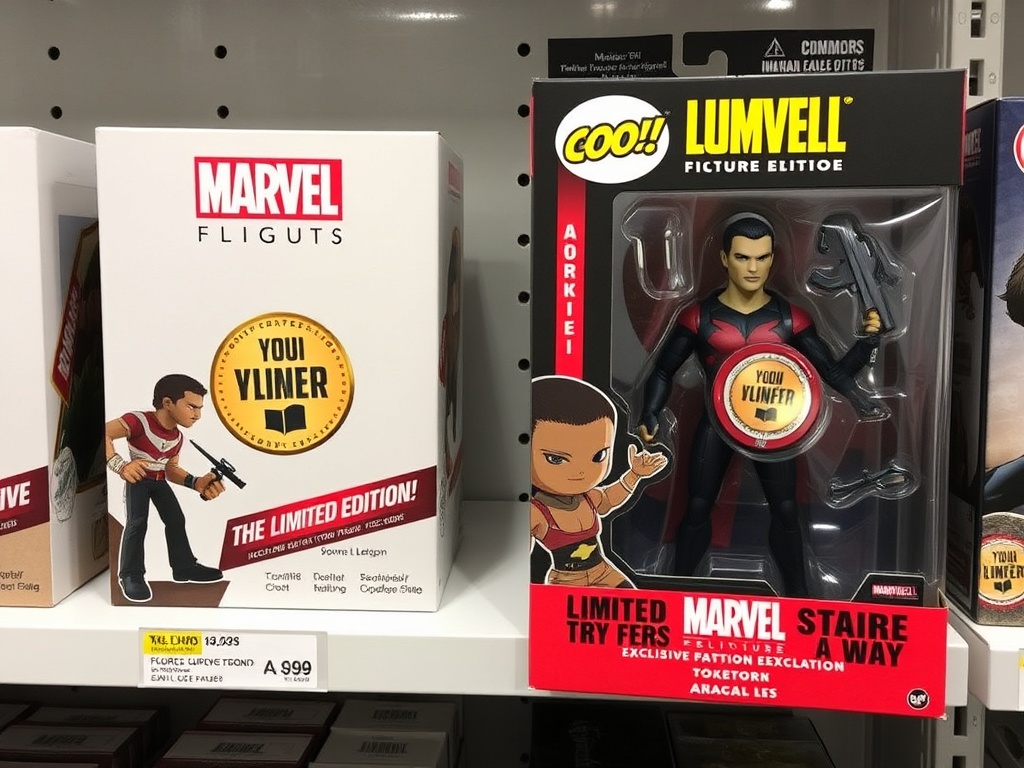
Convention exclusives and retailer exclusives can explode in value—but not always.
The key is understanding why something is exclusive. If it's tied to a major character or unique sculpt, it has stronger potential. If it's just a repaint with limited appeal, it may stall.
Don't chase every exclusive. Be selective.
6. Articulation and Sculpt Quality Matter Long-Term
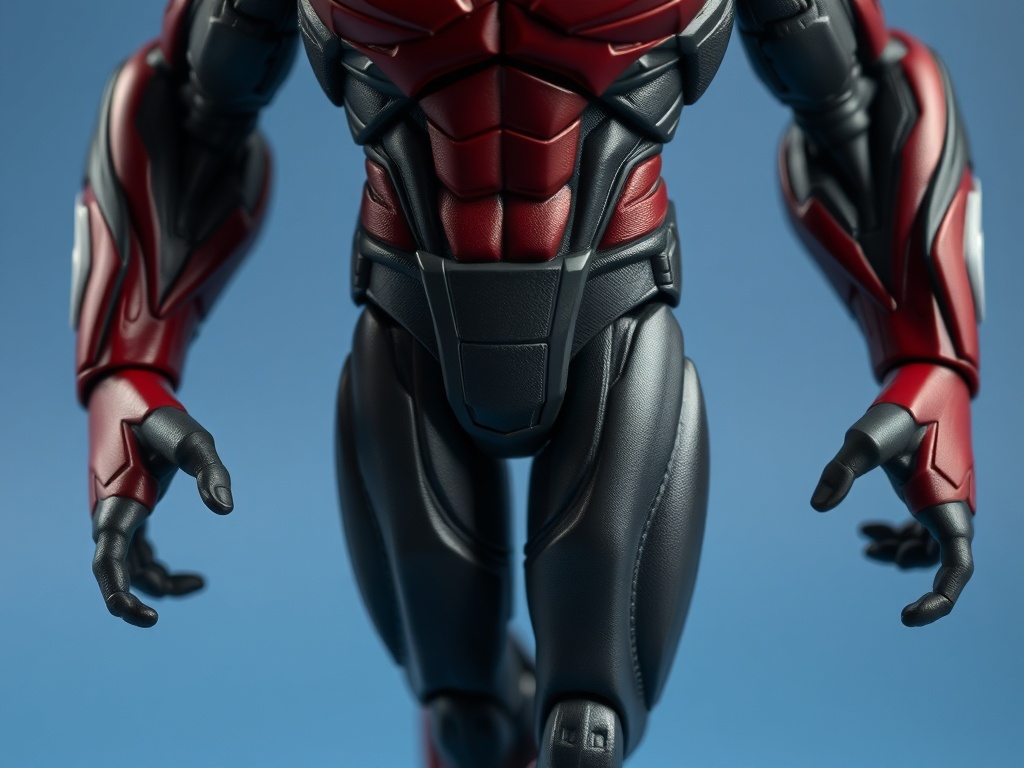
Collectors become more discerning over time. Figures with poor articulation or outdated sculpts age badly.
Modern releases with improved joints, face printing, and proportions tend to hold value better than older, clunkier versions.
If a figure feels outdated on day one, it won’t age well.
7. Build-A-Figure (BAF) Strategy
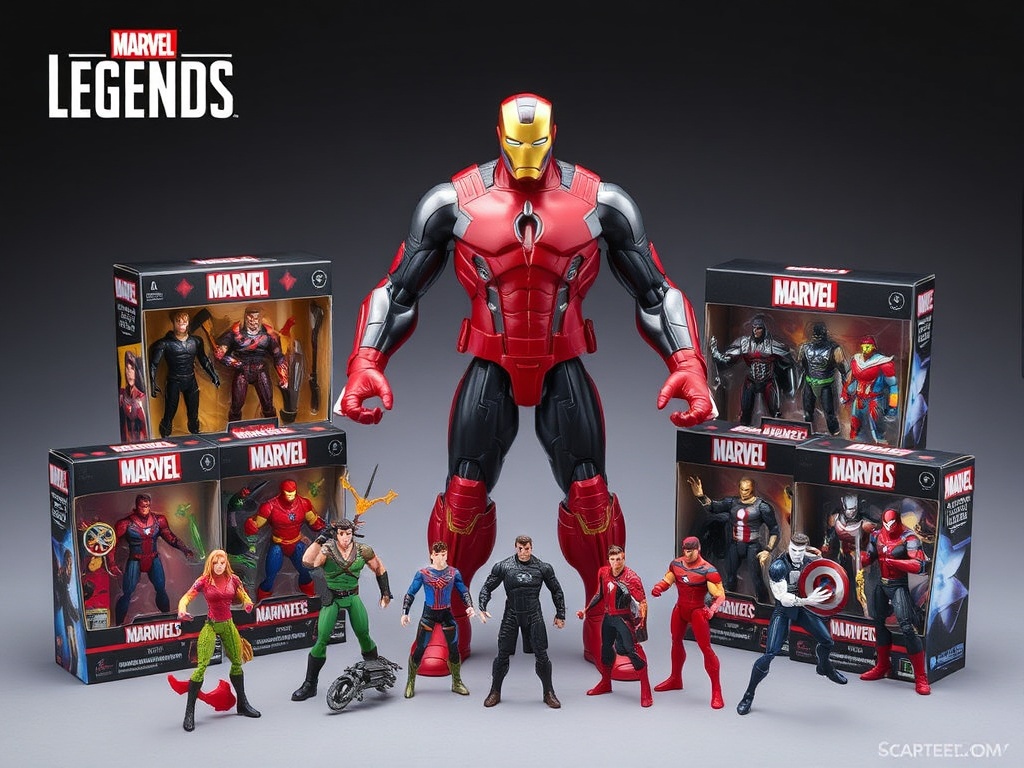
Build-A-Figure waves are a unique part of Marvel collecting.
Completing a BAF often requires buying multiple figures—some desirable, some not. Completed BAFs can resell well, especially if the character is large or rarely produced.
Smart collectors either:
- Complete the full set early
- Or buy the finished BAF later when prices stabilize
8. Scale Consistency Keeps Your Collection Cohesive
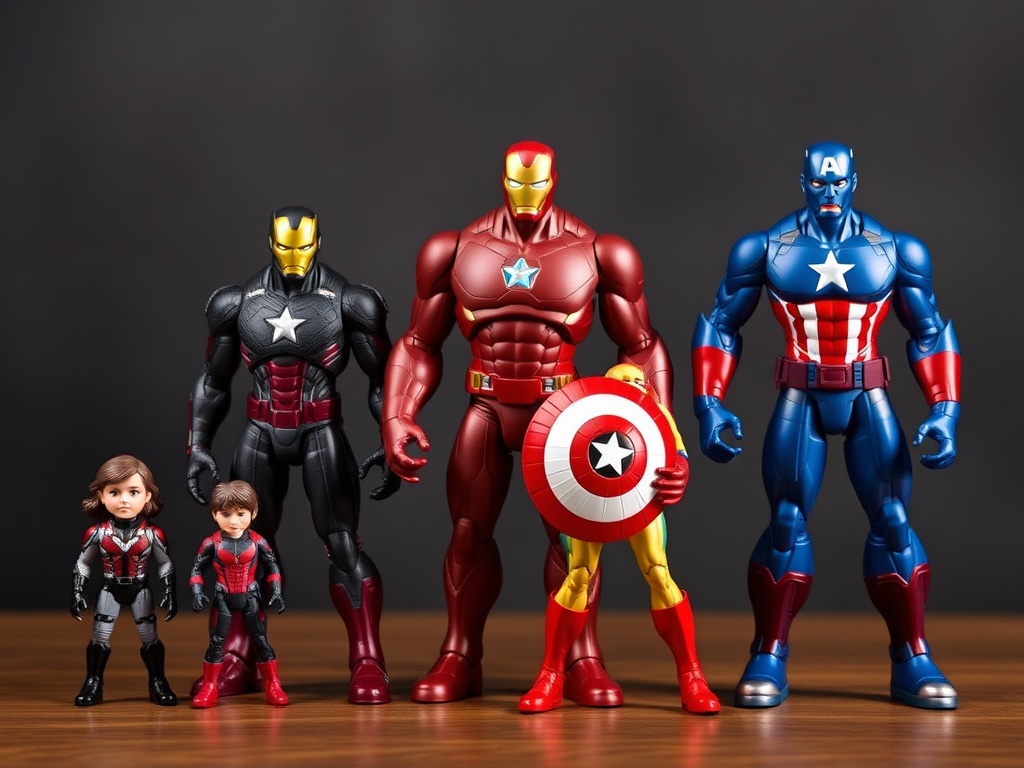
Mixing scales randomly can hurt both display and resale appeal.
Most collectors stick with 6-inch scale (Marvel Legends) or go premium with larger formats. Decide early and stay consistent unless you’re building separate displays.
9. Avoid Overpaying During Hype Cycles
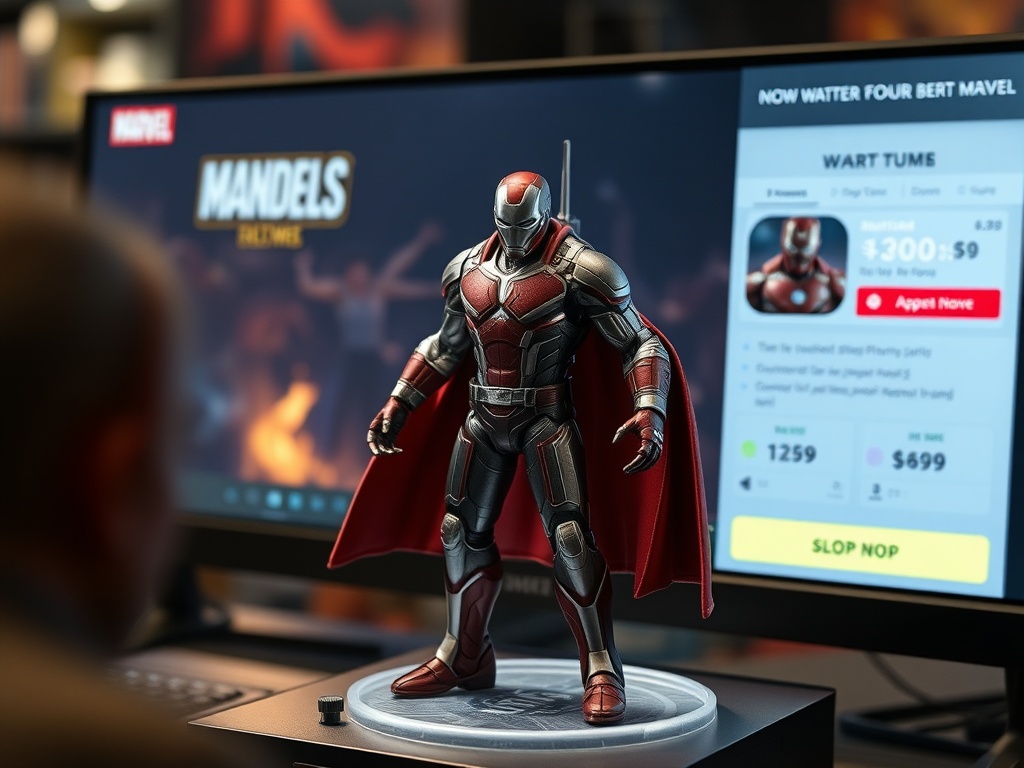
Movie releases and show hype can spike prices overnight.
Patience usually wins. Many figures drop back down after the hype fades or get re-released in updated versions.
Unless it's a confirmed limited release, avoid panic buying.
10. Storage and Care Protect Your Investment
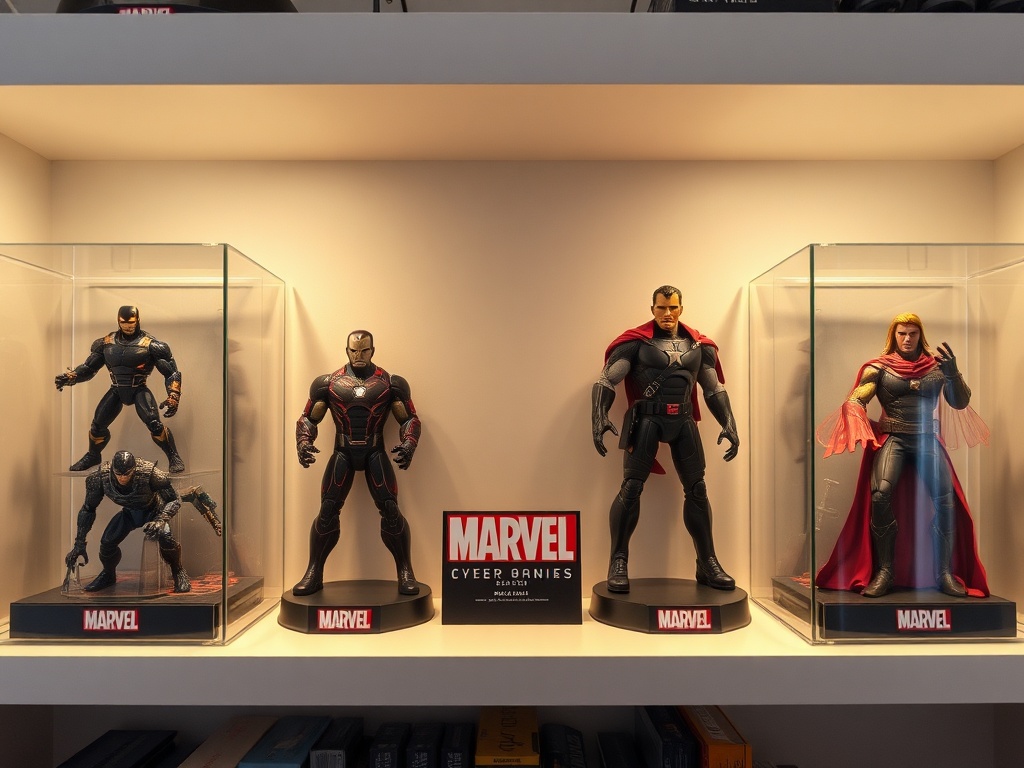
Heat, sunlight, and dust are your enemies.
UV exposure can fade colors. Loose joints can develop if figures are constantly repositioned. Dust buildup affects presentation and value.
Use display cases, keep figures away from direct sunlight, and clean them regularly.
11. Know When to Buy Loose vs Mint
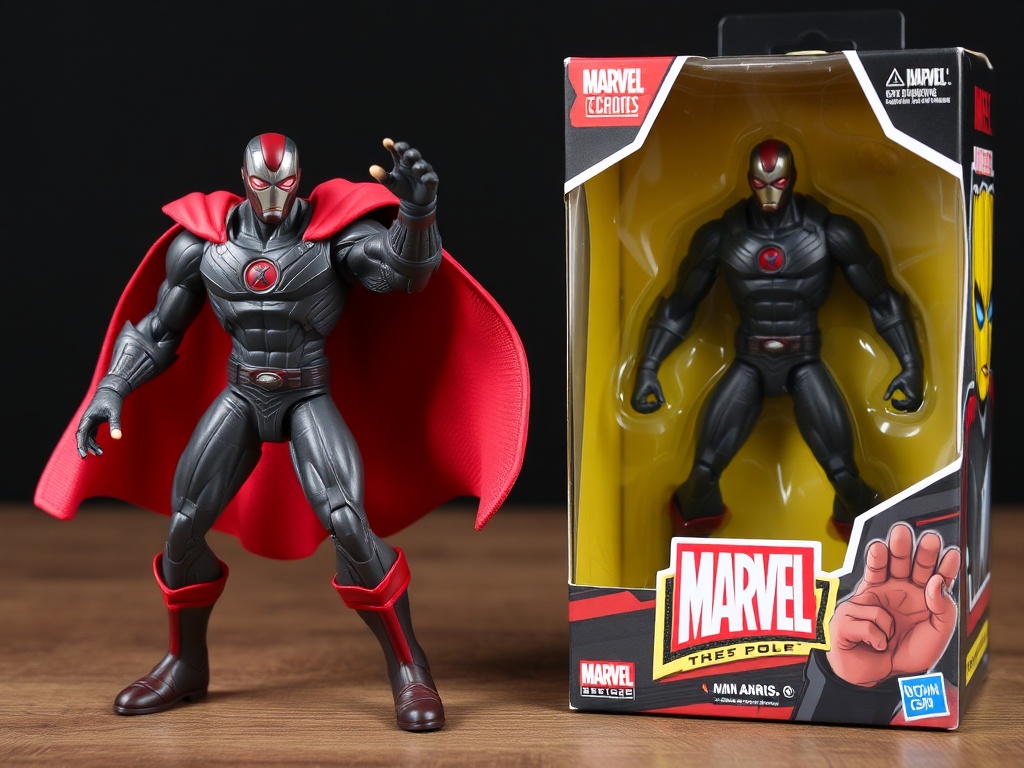
Loose figures are cheaper and great for display. Mint-in-box appeals to investors and completionists.
If your goal is value, prioritize sealed figures in excellent condition. If your goal is enjoyment, loose figures offer better flexibility.
12. Track the Secondary Market
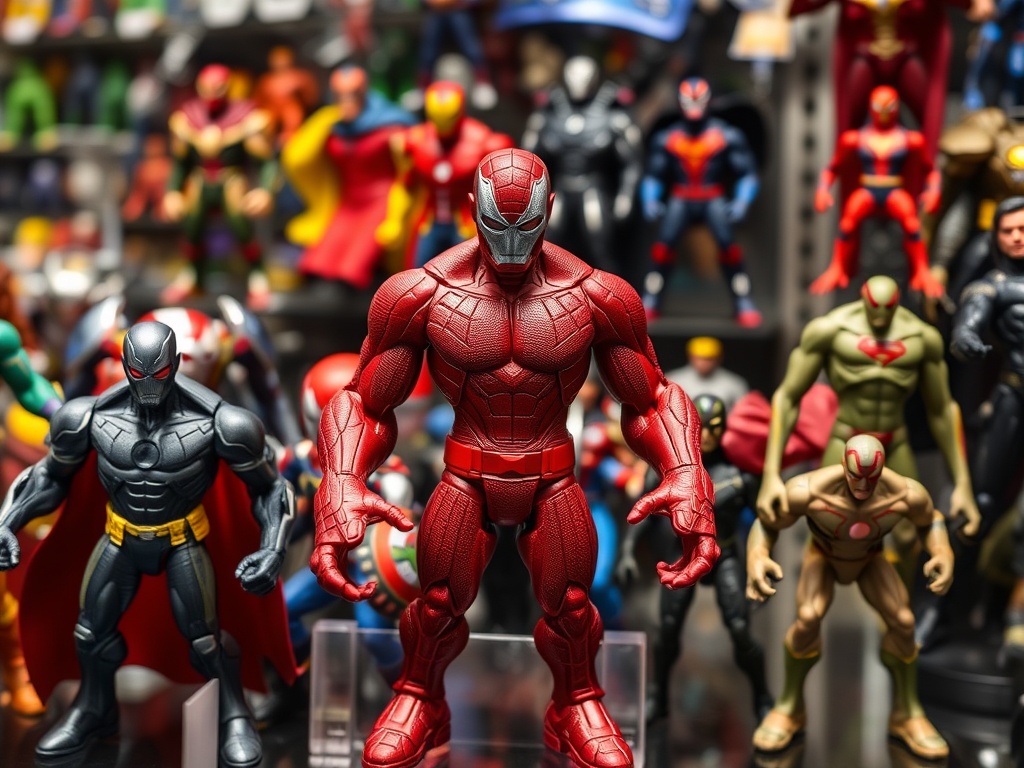
The secondary market tells you what actually matters—not marketing.
Watch sold listings, not asking prices. Pay attention to which figures consistently move and which sit unsold.
This is where you learn real demand.
Final Thoughts
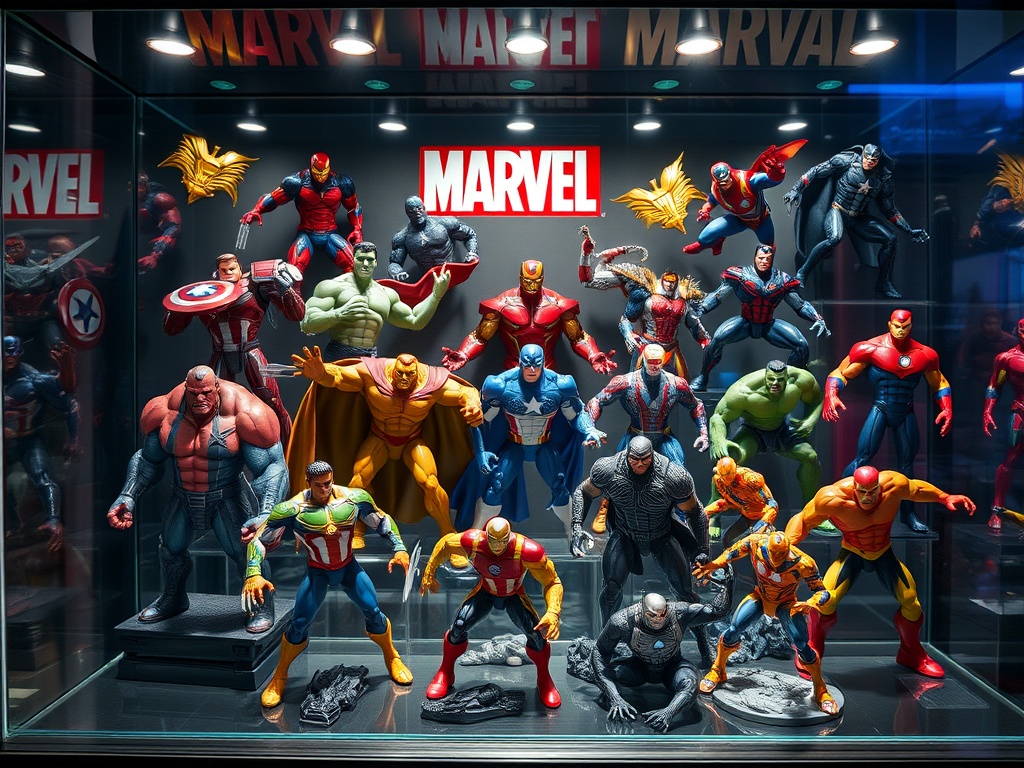
Collecting Marvel figures is part strategy, part instinct. The difference between a shelf of random purchases and a collection that holds value comes down to discipline.
Stick to strong lines, prioritize iconic characters, protect condition, and avoid hype traps. Do that consistently, and your collection won’t just look good—it’ll hold its ground over time.