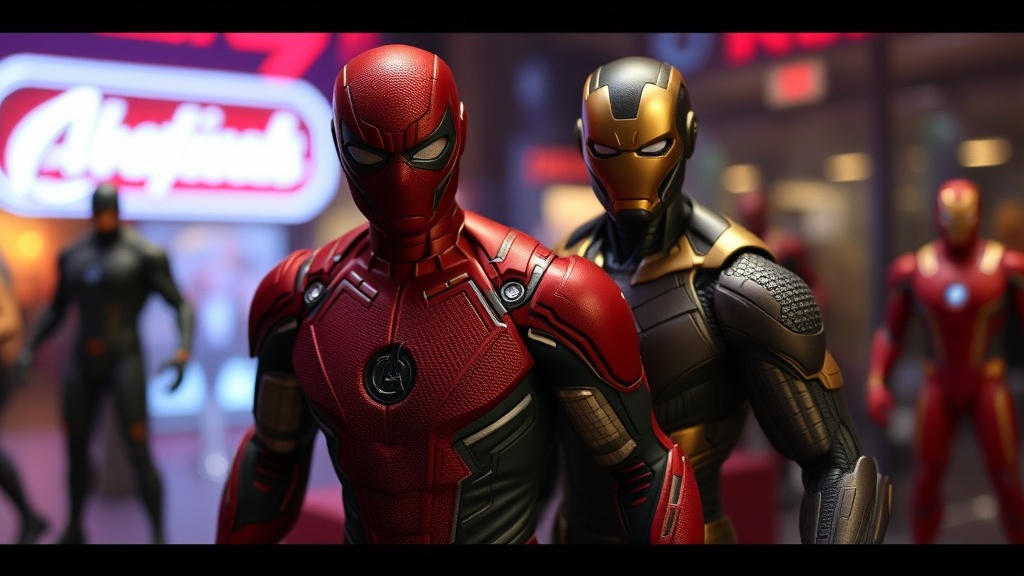
Spotting Fake Marvel Figures Before They Drain Your Wallet

How Can You Tell If a Marvel Figure Is Counterfeit?
The global market for counterfeit toys hit $3.2 billion in 2023—and Marvel figures represent one of the most heavily bootlegged categories in collectibles. For every legitimate Hasbro Marvel Legends release, three to five knockoff variants flood online marketplaces and convention dealer rooms. These fakes aren't just cheap toys—they're sophisticated copies that can fool even experienced collectors until it's too late.
Learning to spot counterfeits isn't about being paranoid. It's about protecting your investment and ensuring your collection holds value over time. The good news? Most bootlegs betray themselves through consistent telltale signs once you know where to look.
What Packaging Red Flags Should You Watch For?
Authentic Marvel figures come with packaging that's surprisingly difficult to replicate perfectly. Start with the cardboard itself—genuine Hasbro and Diamond Select packaging uses thick, rigid stock that resists creasing. Counterfeit packaging often feels flimsy, with corners that dent easily or laminate that peels at the edges.
Color accuracy matters more than you'd think. Bootleggers struggle to match the precise Pantone shades used by legitimate manufacturers. Compare the blues on Spider-Man's card art or the reds on Iron Man's packaging against verified photos from manufacturer websites. Fakes often skew slightly darker or exhibit color banding in gradients.
Font inconsistencies betray amateur production runs. Marvel packaging uses licensed, proprietary typefaces that bootleggers approximate rather than replicate. Look for subtle differences in letter spacing, weight, or character shapes—especially in smaller text like warning labels and UPC codes.
The bubble attachment tells its own story. Authentic figures use sonic-welded bubbles that create clean, consistent seals. Counterfeit bubbles often show excess glue, uneven sealing lines, or gaps where air could enter. Give the bubble a gentle press—authentic seals hold firm, while fakes sometimes separate or crack under light pressure.
Examining the Fine Print
Flip the package and scrutinize the legal text. Authentic Marvel merchandise includes specific copyright notices: "© MARVEL," "© Disney," and manufacturing details with proper addresses. Bootlegs often omit Disney branding entirely or include mangled, nonsensical legal text. Look for misspellings—"Marvle" instead of "Marvel" appears more often than you'd expect in low-quality fakes.
Barcodes deserve attention too. Legitimate figures carry valid UPCs that scan properly at retail. Bootleg barcodes sometimes don't scan at all, or they recycle codes from completely different products. A quick smartphone scan before purchasing can reveal mismatches instantly.
Which Figure Details Give Away a Bootleg?
Once you've examined the packaging, the figure itself provides the final verdict. Start with the plastic quality—authentic Marvel figures use virgin ABS and PVC plastics with consistent color throughout. Counterfeits often employ cheaper, regrind plastics that appear slightly translucent or exhibit swirl marks from mixed materials.
Paint applications reveal manufacturing shortcuts. Legitimate factories employ skilled workers and automated systems that maintain tight tolerances. Look at the eyes on any Marvel Legends figure—authentic versions show crisp, properly aligned pupils. Bootlegs frequently feature wandering eyes, overspray, or paint bleeding across color boundaries.
Joint construction separates quality collectibles from disposable knockoffs. Authentic Marvel figures use engineered pin-and-socket joints with specific tolerances. Test articulation points—bootleg joints often feel too loose (flopping limbs) or too tight (requiring dangerous force to move). The ratchet mechanisms in knee and elbow joints should click cleanly without grinding.
Weight provides another clue. Counterfeit figures typically weigh 10–15% less than authentic versions due to thinner plastic walls and hollow sections. If you've handled legitimate figures before, bootlegs feel immediately "off" in hand—like the difference between genuine and costume jewelry.
The Accessory Test
Accessories separate premium figures from budget alternatives, and bootleggers cut corners here ruthlessly. Examine alternate hands, heads, and effect pieces for detail loss. Authentic accessories capture fine sculpting in fingers, facial expressions, and texture. Counterfeit versions soften these details, turning crisp edges into mushy approximations.
Painted accessories show even wider quality gaps. A genuine Captain America shield features clean star applications and properly masked red-and-white rings. Bootleg shields often display wobbly lines, incomplete coverage, or paint that scratches off with a fingernail.
Where Are You Most Likely to Encounter Counterfeit Figures?
Certain buying environments present higher counterfeit risks than others. Auction sites with stock photos instead of actual product images account for nearly 40% of reported fake figure sales. When sellers use manufacturer promotional images rather than their own photography, proceed with extreme caution.
Social media marketplace deals offering "wholesale prices" or "bulk discounts" on current releases should trigger immediate skepticism. Legitimate distributors don't sell $30 retail figures for $8 each—no matter what story about "overstock" or "warehouse liquidation" accompanies the listing.
Convention dealer rooms present unique challenges. While most vendors operate honestly, transient booth setups make returns nearly impossible. Always ask vendors about their sourcing before purchasing high-value items. Reputable dealers can explain their supply chain—and they're proud to discuss it.
International sellers on marketplace platforms require additional scrutiny. Shipping times of 3–6 weeks often indicate dropshipping from manufacturing regions where bootlegs originate. Check seller ratings specifically for figure collectors' feedback, and examine review photos carefully for quality discrepancies.
How Should You Document and Report Counterfeits?
When you encounter suspected fakes, documentation protects the broader collecting community. Capture clear photos of packaging discrepancies, figure defects, and any seller communications. Post these to collector forums and social media groups—communities like r/ActionFigures maintain running databases of known counterfeit variants.
Report fraudulent listings to platform administrators. eBay, Amazon, and Mercari all provide reporting mechanisms for counterfeit goods. While individual reports may not trigger immediate action, accumulated complaints build cases against repeat offenders.
Consider joining collector verification networks. Facebook groups and Discord servers dedicated to authentication offer crowdsourced expertise. A second opinion from experienced collectors often catches details missed during solo inspections.
Building Confidence Through Knowledge
The most powerful counterfeit detection tool isn't a loupe or UV light—it's familiarity with authentic products. Handle legitimate figures regularly, whether at collector meetups, retail stores, or friends' displays. Build mental reference points for plastic feel, joint quality, and packaging standards. When something feels wrong, trust that instinct.
Subscribe to manufacturer updates and follow reliable review channels. Understanding upcoming releases, distribution patterns, and official pricing helps you recognize deals that are literally too good to be true. Knowledge compounds over time, turning every purchase into a learning opportunity.
"The $20 you save on a bootleg turns into $40 lost when you try to resell it. Counterfeits have zero secondary market value." — Collector wisdom from Marvel Legends forums
Your collection represents more than plastic and paint—it embodies time, passion, and financial commitment. Protecting it from counterfeits isn't about snobbery or elitism. It's about ensuring that every figure on your shelf delivers the quality you paid for and retains the value you've invested.
Start applying these verification techniques today. Examine your recent acquisitions. Check that convention find from last year. Share what you learn with fellow collectors. The bootleggers improve their methods constantly—but so does our community's collective knowledge.