Keeping Your Collection Safe from UV Damage and Heat

Does it ever feel like your favorite figure is losing its luster right before your eyes? Light and temperature aren't just environmental factors; they're active forces that can degrade plastic, fade paint, and ruin the value of a collection. This post covers how UV rays and heat affect different types of materials used in modern figure manufacturing and provides practical ways to prevent a slow decline in quality.
Most collectors focus on the aesthetics of a figure, but the chemistry of the material is what actually dictates longevity. Whether you're dealing with PVC, ABS, or soft vinyl, these substances react to their environment. If you leave a high-end figure near a window, you aren't just risking a little fading—you're risking permanent structural changes. Even if it doesn't look bad today, the damage is often happening at a molecular level.
Why does sunlight damage my figures?
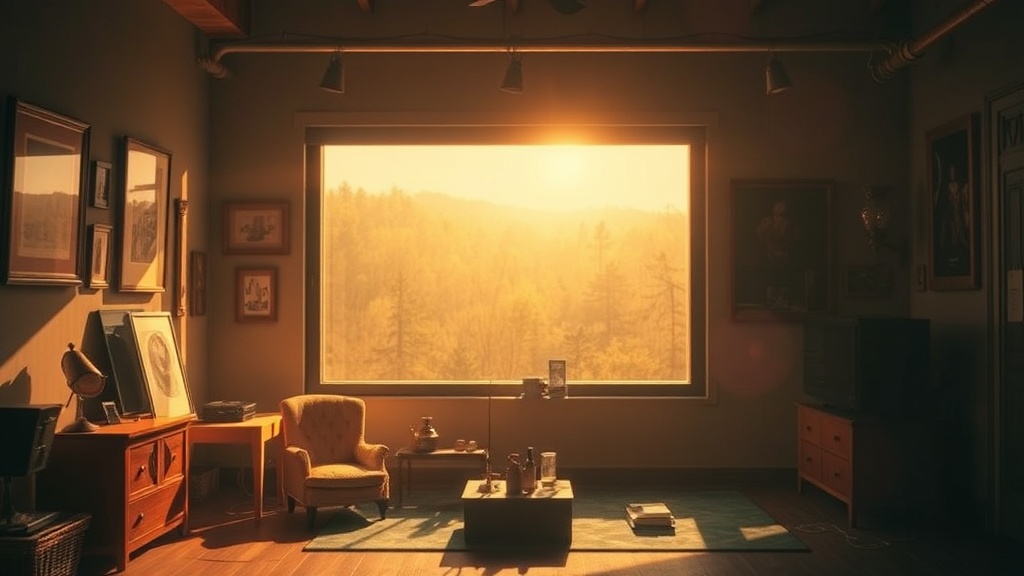
Sunlight contains ultraviolet (UV) radiation, which is a high-energy form of light that can break down the chemical bonds in plastic. This process, known as photodegradation, causes several visible issues. First, there's the color fade. Pigments, especially the vibrant reds and deep blues often found in superhero outfits, are highly sensitive to UV. Over time, a bright red suit might turn a dull pink or even a yellowish hue.
Second, heat-induced warping is a real threat. If a figure sits in a room that gets too hot—say, an attic or a room with direct afternoon sun—the plastic can soften. This leads to a loss of structural integrity. You might notice a figure's limb drooping or a figure losing its ability to stand upright. This isn't just a cosmetic issue; once the plastic has warped due to heat, it's nearly impossible to return it to its original shape without professional tools. According to material science principles discussed by organizations like the ScienceDirect database, thermal stability is a major factor in the lifespan of polymers.
Can certain display materials block UV rays?
The answer depends entirely on the quality of the housing. Not all clear plastic is created equal. Many collectors use acrylic or polycarbonate cases to protect their figures, but if that case isn't treated, it provides very little protection against UV. Standard acrylic is mostly transparent to UV rays, meaning the light passes right through and hits your figure.
To truly protect your items, you need to look for materials specifically labeled as UV-resistant. High-end museum-grade acrylic often includes UV inhibitors that absorb or reflect these harmful wavelengths. If you're using a display case, check the manufacturer's specs. If they don't mention UV protection, assume your figures are still at risk. For those looking for serious protection, researching specialized museum-grade display solutions is a smart move. You can see examples of high-quality archival materials at sites like the Library of Congress archives for historical preservation, which uses similar logic for physical objects.
A simple tip for those on a budget is to use window films. You can buy clear UV-blocking films that apply directly to your windows. This prevents the light from ever entering your display area, which is often more effective than trying to find a "bulletproof" case. It's much easier to stop the light at the source than to try and filter it once it's already inside your room.
Does the temperature of the room affect figure value?
Temperature is just as important as light. A stable environment is the gold standard for any serious collector. Rapid fluctuations in temperature—the kind you see when a heater turns on and off or when a room cools down significantly at night—cause thermal expansion and contraction. This constant movement can stress the joints of your figures.
If a figure's joints are too tight, the heat might cause the plastic to expand, making the joint even tighter and potentially leading to cracks. Conversely, if the room is too cold, the plastic can become brittle. This is particularly true for the softer, more flexible plastics used in many Marvel Legends or high-end boutique figures. A sudden drop in temperature can make these parts much more prone to snapping if you try to pose them.
Ideally, you want to keep your collection in a climate-controlled area. This means avoiding rooms that are poorly insulated or areas near air conditioning vents. A consistent temperature prevents the "stress-strain" cycle that leads to material fatigue. While it might seem like a small detail, maintaining a steady environment is one of the most effective ways to ensure your collection looks as good in ten years as it does today.
The impact of humidity on collectors' items
While much of the discussion centers on light and heat, humidity is the third pillar of environmental damage. High humidity can lead to several issues, especially if your figures have metallic paint or any metal components in their joints or accessories. Moisture in the air can cause oxidation or rust on small metal parts, which can eventually stain the surrounding plastic.
If you live in a humid climate, consider using small silica gel packets inside your display cases. These packets absorb excess moisture and help maintain a dry environment. It's a low-cost way to add an extra layer of protection to your display. Just remember to replace them periodically, as they eventually become saturated and lose their effectiveness.
- Avoid direct sunlight hitting the display area.
- Use UV-resistant acrylic or window films.
- Maintain a stable, cool temperature in your display room.
- Watch out for high humidity levels that can cause oxidation.
- Use silica gel packets for humidity control in enclosed cases.