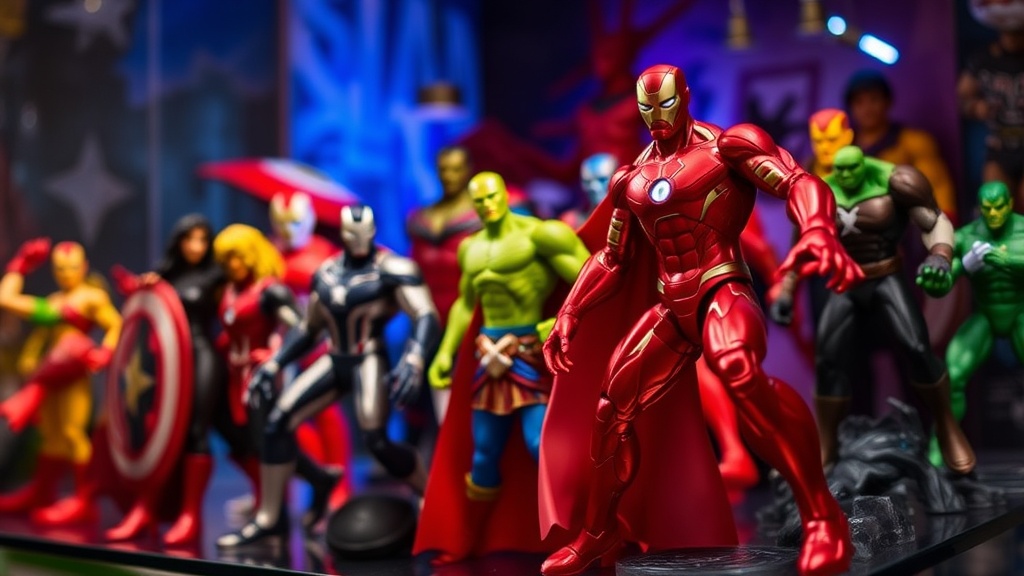
How to Display Your Marvel Action Figures Like a Pro Collector

A well-curated display transforms Marvel action figures from boxed clutter into a gallery-worthy collection. This guide covers shelving systems, lighting techniques, posing strategies, and protective measures that separate amateur setups from professional showcases. Whether you're working with five figures or five hundred, the principles here will help you build a display that protects your investment and turns heads.
What's the Best Way to Arrange Marvel Legends on Shelves?
The most effective Marvel Legends displays group figures by theme, scale, or release wave while maintaining consistent spacing and sight lines. Professional collectors rarely throw random figures together—they create narratives.
Start with your anchor pieces. These are your largest or most visually striking figures—think the HasLab Galactus, a Sentinel, or an oversized Hulk. Position these at eye level or slightly above to establish visual hierarchy. Smaller figures like standard 6-inch Legends fill the middle and lower tiers.
Shelf depth matters more than most beginners realize. A standard 12-inch deep floating shelf works for single rows, but double-deep displays require risers or acrylic stands to prevent figures from disappearing behind each other. The IKEA KALLAX shelving system remains a collector favorite for good reason—its 13-inch cube compartments fit most boxed figures perfectly while accommodating open displays with risers.
The spacing rule is simple: leave at least half an inch between figures. Crowded shelves look chaotic and increase the risk of paint rub or accessory loss. That said, some themed groupings—like the entire X-Men '97 wave—can be packed tighter to create cohesive team shots.
Vertical vs. Horizontal Layouts
Vertical displays save floor space but require careful planning. Stagger shelf heights so taller figures (Apocalypse, Juggernaut) fit on alternating levels. Horizontal layouts across a single wall create a "museum row" effect that photographs beautifully but demands more real estate.
Here's the thing about wall mounting: drywall anchors rated for 50+ pounds aren't optional when a single Marvel Legends Build-A-Figure wave can weigh several pounds. Use studs when possible. The last thing any collector wants is a midnight crash destroying a carefully posed X-Force team.
What Lighting Shows Off Marvel Figures Best?
LED strip lights with a color temperature between 4000K and 5000K provide the cleanest, most accurate color rendering for painted plastic and cardboard. Warm lighting (2700K-3000K) throws an orange cast that distorts reds and blues—problematic when you're showcasing Captain America or Spider-Man.
Placement beats brightness. Lights positioned directly above figures create harsh shadows under chins and cowls. The pro move? Top-down lighting combined with subtle front illumination. Philips Hue light strips hidden in shelf overhangs provide adjustable, app-controlled options that let you dial in the perfect white balance.
Avoid sunlight. Direct UV exposure fades packaging and can yellow white plastics over time. If your display area has windows, apply UV-filtering film or position shelves on interior walls. The catch? Many collectors dedicate their best wall to displays without considering afternoon sun patterns—only to discover sun damage months later.
Accent Lighting for Drama
Some collectors add colored accent lighting for character-specific zones—red LEDs behind Deadpool displays, blue behind Iceman or Mr. Fantastic. This technique works best when subtle. Think mood lighting, not nightclub effects. Battery-operated puck lights from Home Depot's Ecolight series offer affordable, removable options for renters.
How Do You Keep Marvel Figures Clean and Dust-Free?
Weekly maintenance with a soft makeup brush or canned air prevents dust buildup, while enclosed displays (Detolf cabinets, acrylic cases) reduce cleaning frequency by 80% or more. The choice between open and enclosed storage represents the biggest trade-off in figure display.
Open shelving offers instant accessibility. You can grab that Wolverine, swap his hands, and return him in seconds. But dust is relentless—within two weeks, a neglected shelf looks like it's been abandoned in a storage unit. Closed cases protect against dust, pet hair, and curious children, though they cost more and limit spontaneous rearranging.
| Display Type | Best For | Dust Protection | Cost (Per Figure) |
|---|---|---|---|
| Open floating shelves | Active collectors who rotate displays frequently | None | $2-5 |
| IKEA DETOLF cabinet | Mid-size collections (50-100 figures) | High | $8-10 |
| Acrylic display cases | High-value single figures or small groups | Maximum | $15-40 |
| Bookcases with glass doors | Large collections in shared living spaces | High | $12-20 |
The IKEA DETOLF remains the gateway drug for serious collectors. At approximately $70, it's affordable, attractive, and surprisingly spacious—most collectors fit 30-40 loose figures per cabinet with proper risers. The glass panels keep dust out while maintaining visibility.
For carded figures (MOC collectors), UV-protective acrylic cases from BCW Supplies or Collector Case add bulk but preserve blister integrity. Worth noting: not all "UV protection" is equal—look for cases rated for 98%+ UV blocking, not just tinted plastic.
How Should You Pose Figures for Maximum Impact?
Dynamic posing separates a collection from a toy shelf. Static museum stances (feet planted, arms at sides) read as unfinished. Professional displays feature figures in action poses that suggest motion and narrative.
The three-point balance rule applies: every figure should have at least three contact points for stability. That might be both feet plus a hand on a wall, or one foot plus a flight stand. Marvel Legends articulation varies by era—modern figures with butterfly joints and drop-down hips offer far more expressive options than 2015-era releases.
Flight stands are non-negotiable for airborne characters. The NECA Dynamic Action Figure Stands support heavier Legends, while generic clear stands from Amazon work for lighter figures. Position fliers at varying heights—Iron Man banking left, Thor hovering center, Captain Marvel ascending right—to create visual flow.
Group Composition Techniques
When arranging teams, vary the poses to suggest interaction. Don't line up five X-Men in identical fighting stances. Instead: Cyclops firing an optic blast, Wolverine lunging forward, Storm hovering above with lightning effects. The Hasbro Marvel Legends line includes effect pieces with many releases—use them. Energy blasts, web lines, and magic circles add dynamism that plain figures can't achieve alone.
Scale consistency matters too. A 6-inch Spider-Man shouldn't tower over a 6-inch Hulk (unless that's the gag). The Marvel Legends line has scale creep issues—early figures run small compared to modern releases. Group by era or accept that your vintage Hobgoblin will look diminutive next to a 2024 Hulk.
What About Protecting the Investment?
Even displayed figures face threats: pet hair, humidity fluctuations, and the occasional earthquake (Tucson isn't exactly San Francisco, but tremors happen). Stability accessories provide peace of mind.
Earthquake putty—also called museum wax or QuakeHold—secures figure feet to shelves without permanent adhesion. A dab under each foot prevents tipping during bumps or minor quakes. For high-traffic areas or homes with cats, this isn't optional.
Humidity control prevents joint loosening and cardboard warping. Ideal relative humidity sits between 40-60%. Below 40%, plastics become brittle; above 60%, mold risks emerge. Small dehumidifiers or silica gel packets in enclosed cases help, especially in bathrooms or basements where collectors sometimes stash overflow.
That said, don't obsess over "mint" condition if you actually enjoy your collection. There's a difference between preservation and paranoia. A figure that's never removed from its plastic prison isn't being collected—it's being stored. The best displays balance protection with accessibility.
How Do You Photograph Your Collection?
Most collectors eventually share their setups online—Instagram, Reddit's r/ActionFigures, or specialized forums. Quality photography starts with the display itself. Dark backgrounds make figures pop; cluttered backgrounds distract. A simple black foam board behind your shelf eliminates visual noise.
Camera angle changes everything. Shoot at figure eye level rather than looking down. This creates hero shots that feel cinematic rather than documentary. The camera on any modern smartphone handles this well with adequate lighting.
Edit lightly. Boost contrast and clarity, but don't oversaturate. Marvel Legends already feature bold colors—pushing saturation to 100% creates unnatural, toy-like results that undermine the "pro collector" aesthetic you're building toward.
Rotate your displays seasonally. Swap out a winter Soldier for a summer Storm. Bring the Halloween-themed figures forward in October. This keeps the collection feeling fresh without buying new pieces. Plus, re-posing is half the fun—static displays grow stale, no matter how impressive the initial setup.
Your collection tells a story. Arrange it accordingly.
Steps
- 1
Choose the Right Display Case or Shelf Setup
- 2
Master Dynamic Posing and Staging Techniques
- 3
Add Lighting and Thematic Backdrops