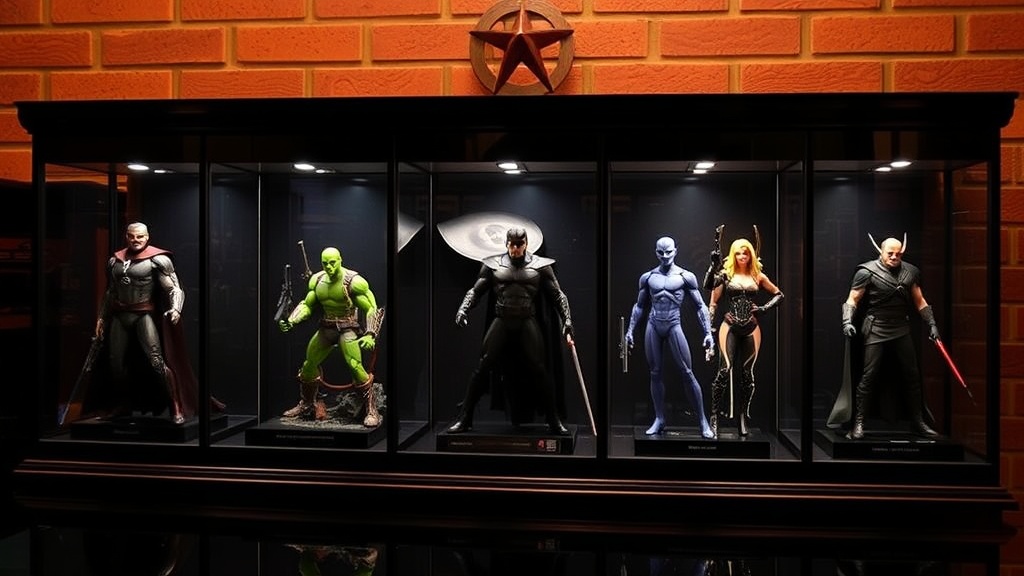
Choosing the Best Display Cases for Your Figure Collection

Are you tired of seeing dust settle on your favorite action figures?
You spend hundreds—sometimes thousands—of dollars building a collection that looks incredible, only to have it look neglected under a layer of grime or damaged by poor storage. Choosing the right display case isn't just about aesthetics; it's about protecting the physical integrity of your plastic. Whether you're housing a single high-end statue or a sprawling shelf of Marvel Legends, the container you choose dictates how long that figure stays in mint condition. This post breaks down the different types of display options, from acrylic cases to custom shelving, so you can decide what fits your specific collection best.
What is the difference between acrylic and glass display cases?
One of the most common questions I get from collectors is whether they should invest in high-end acrylic or stick with traditional glass. While both serve the basic purpose of shielding figures from dust, they behave very differently in a home environment. Acrylic is much lighter and, more importantly, it's shatterproof. If you have a shelf at eye level or a child in the house, acrylic offers a safety margin that glass simply can't match. However, acrylic is also much easier to scratch during cleaning.
Glass, on the other hand, provides that crystal-clear, high-end look often seen in museum-grade displays. It doesn't scratch as easily as plastic, but it is heavy and fragile. If you're displaying heavy articulated figures or bulky statues, you need to ensure the weight capacity of your shelving is sufficient. A heavy glass door can often feel more premium, but it requires a much more stable base. Many collectors find that a hybrid approach—glass doors on a wooden cabinet—works well for larger setups.
- Acrylic: Lightweight, impact-resistant, but prone to micro-scratches.
- Glass: Premium look, scratch-resistant, but heavy and fragile.
- Plastic: Budget-friendly, lightweight, but can yellow over time due to UV exposure.
How can I prevent dust buildup on my shelves?
Dust is the silent killer of any collection. It isn't just an eyesore; it can actually hold moisture and organic matter that might affect the paint applications or joint tightness over several years. To prevent this, you need a sealed environment. A truly "open" shelf—even if it's high-quality wood—will never be dust-proof. You want a case with a front-loading door or a removable lid that fits snugly.
If you're using standard bookshelves, consider adding custom acrylic covers. These can be found at many hobby shops or specialized retailers. One thing to watch out for is the "ventilation trap." Some cheap plastic cases are almost airtight, which sounds great until you realize that moisture can get trapped inside. If you live in a humid area, like parts of the Southwest, you might want to keep a small desiccant packet tucked in a back corner of the case. You can check the American Alliance of Museums guidelines for general preservation standards, though their focus is on much older artifacts, the principles of moisture control remain the same for us hobbyists.
When cleaning, never use a wet cloth directly on the figure. Instead, use a soft, dry brush—like a clean makeup brush or a dedicated hobby brush—to whisk away particles. If you have to use a liquid, use a tiny amount of isopropyl alcohol on a cotton swab for stubborn spots, but be extremely careful with the paint applications on your figures. Testing a small, inconspicuous area on the foot of the figure first is a smart move.
Which display case is best for my budget?
Collectors generally fall into three tiers when it comes to spending on displays. There isn't a single "right" way to do it, but knowing your tier helps you avoid wasting money on things that won't last.
| Tier | Typical Material | Best For |
|---|---|---|
| Budget | Standard Plastic Bins/Open Shelving | Casual collectors or starting out. |
| Mid-Range | Acrylic Cubes/IKEA Detolfs | Serious collectors with growing collections. |
| Premium | Custom Glass Cabinets/Museum Cases | High-end statues and investment pieces. |
The IKEA Detolf has been a staple in the community for years. It's affordable, looks great, and provides a professional feel. However, many collectors have noted that the way it's constructed can lead to some wobbling if not properly braced. If you go this route, make sure you're securing it to a wall. For those with smaller, more expensive figures, single-figure acrylic cases are a fantastic way to give a specific piece the "hero" treatment without needing a massive footprint.
Don't forget about lighting. A great case is useless if you can't see the details. LED strips are the gold standard here because they produce very little heat. Traditional incandescent bulbs can actually heat up the air inside a sealed case, which can lead to warping or paint degradation. If you're looking for high-quality lighting components, check out specialized hobbyist sites like Amazon or specialized LED retailers to ensure your light temperature doesn't wash out the colors of your figures.
When choosing, always measure your figures first. A common mistake is buying a beautiful case only to realize your figure's cape or head sculpt hits the top of the lid. Leave at least an inch of clearance for any dynamic poses. This ensures that if you ever want to change the pose, you aren't fighting the case to do so. A good display should serve the figure, not the other way around.
Frequently Asked Questions
Do I need to keep my figures in their original boxes for display?
While keeping figures in their boxes (MIB/MISB) preserves their value for resale, it prevents you from actually enjoying the sculpt. If you want to display them out-of-box, invest in a high-quality acrylic case to prevent dust buildup and maintain that "new" look.
Will sunlight damage my display case?
Yes. Even if the case is high-quality, UV rays can penetrate most plastics and glass. This causes the plastic to become brittle and the paint on your figures to fade. Always keep your displays away from direct window light.
How often should I clean my display cases?
Depending on your environment, once every three to six months is usually sufficient. Use a microfiber cloth to avoid scratching the surfaces, and always ensure the case is empty of any moisture before you close it back up.