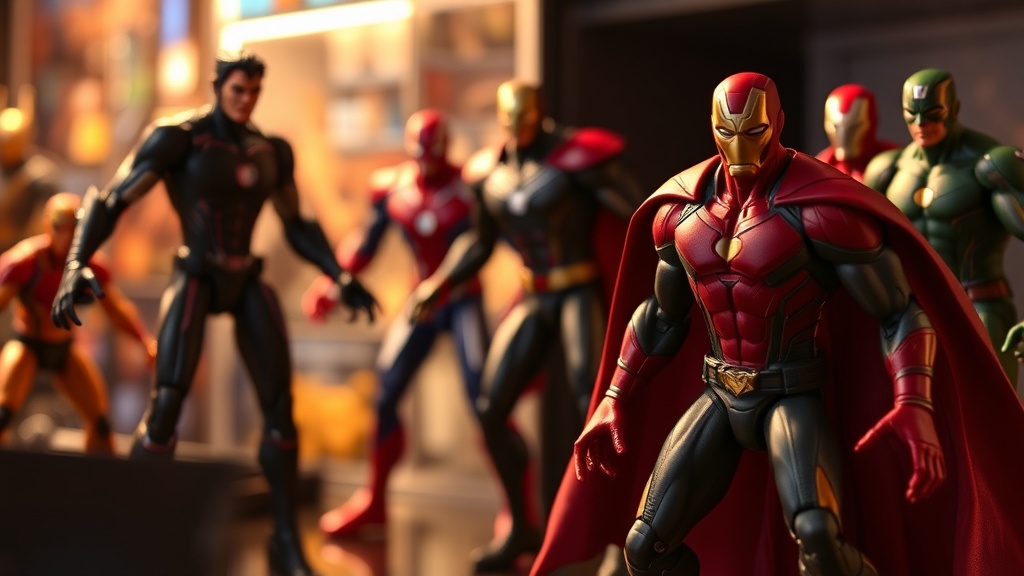
Building a Cohesive Marvel Legends Collection Without Overspending

Why Many Collectors Fail to Build Cohesive Collections
Most people think that building a high-end collection requires a massive bank account and a dedicated warehouse. They believe you need to buy every single release to have a "complete" look. This is a mistake. A collection filled with random, disconnected figures often looks cluttered and messy rather than curated. A cohesive collection isn't about how many figures you own; it's about how well they work together. If you want your shelves to look like a professional display rather than a pile of plastic, you need a strategy that prioritizes themes, scales, and visual consistency over the sheer volume of purchases.
Whether you're hunting for specific Marvel Legends or high-end imports, the goal is to create a sense of unity. This guide covers how to pick a central theme, manage your budget through smart purchasing, and ensure your figures look like they belong in the same universe. You don't need to be a millionaire; you just need a plan.
Which Scale Should You Choose for Your Figures?
One of the biggest mistakes new collectors make is mixing scales without a plan. You might see a 6-inch Marvel Legends figure and a 1/6 scale Hot Toys figure and think, "They both look great!" But once you put them on the same shelf, the scale discrepancy becomes glaringly obvious. The 6-inch figure will look like a toy next to the hyper-realistic 12-inch figure.
Decide on a primary scale before you start buying. For most enthusiasts, the 1:12 scale (roughly 6 inches) is the standard because it offers the best balance of detail and price. However, if you're into high-end-collector-grade figures, you might lean toward 1:6 scale. Stick to one primary scale for your main display. If you do want to mix, use the larger figures as centerpieces and the smaller ones as background elements. This prevents the "clutter" effect that ruins many displays.
- 6-inch (1:12) Scale: Best for volume, variety, and budget-friendly collecting.
- 12-inch (1:6) Scale: Best for high-detail, premium-feel displays.
- 3.75-inch Scale: Great for vintage-style collections and dioramas.
Check out Hasbro's official Marvel Legends page to see the current lineup and understand the scale consistency you can expect from a single manufacturer.
How Can You Find Consistent Themes for Display?
A collection without a theme is just a pile of toys. To make a display look intentional, group your figures by a common thread. This doesn't have to be complicated. You can group by:
- Character Teams: The Avengers, the X-Men, or the Fantastic Four.
- Era/Source: Cinematic Universe (MCU) versus Comic Book versions.
- Color Palette: Grouping figures with similar color schemes (like a "Red and Gold" shelf for Iron Man and various villains).
- Conflict: A "Hero vs. Villain" setup where your protagonists face their specific adversaries.
By grouping your figures this way, you create a narrative. A shelf of just "Spiderman Villains" tells a much more interesting story than a random assortment of a dozen different characters. It gives the eye a place to rest and a reason to look. For more inspiration on how different characters are categorized, the Marvel Database is an excellent resource to track character histories and team affiliations.
Does Buying on the Secondary Market Actually Save Money?
The temptation to buy every single "New Release" is real. But if you follow the hype, you'll end up with a mountain of debt and a shelf of figures you don't actually care about. The secondary market—sites like eBay or specialized collector forums—is where the real strategy happens. Instead of paying full price for a hyped-out figure, wait. Most figures see a price drop once the initial "newness" wears off.
| Buying Method | Pros | Cons |
|---|---|---|
| Retail (New) | Guaranteed authentic, brand new condition. | High prices during hype, high risk of "FOMO." |
| Secondary Market | Lower prices on older stock, unique finds. | Risk of damaged packaging, potential for bootlegs. |
If you're looking for specific, out-of-print figures, the secondary market is your best friend. But be careful. Always check the seller's reputation and look for high-resolution photos of the actual item. Avoid "stock photos" whenever possible. A stock photo might look great, but the actual figure in the box might have paint defects or loose joints that weren't visible in the professional studio shot.
A cohesive collection is a marathon, not a sprint. Don't feel pressured to fill every inch of your shelf by next month. Focus on quality over quantity. One perfectly themed shelf of six figures looks better than a messy shelf of twenty random ones. Keep your eyes on the theme, stick to your scale, and enjoy the process of hunting for that one piece that completes your display.